Collection: Georgian Wine

Georgian wine combines one of the world’s oldest winemaking traditions with some of the most distinctive wines being made today. From qvevri-aged amber wines and skin-contact whites to vibrant Saperavi reds, these are wines shaped by indigenous grapes, clay vessel fermentation and low-intervention winemaking.

Georgia is widely regarded as one of the oldest wine-producing countries in the world, with an unbroken winemaking tradition stretching back thousands of years. The country is especially known for qvevri winemaking, where wine is fermented and aged in large clay vessels buried underground, a method recognised by UNESCO as part of Georgia’s cultural heritage.

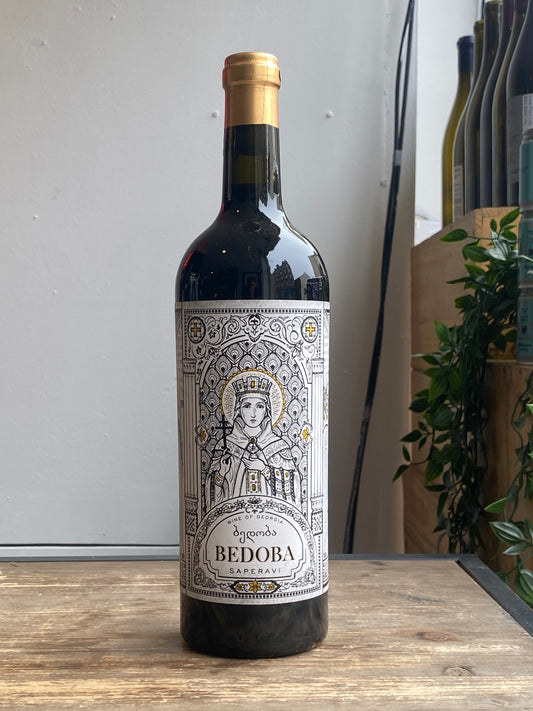
Alongside indigenous grape varieties such as Saperavi, Rkatsiteli and Kisi, Georgian wine has become closely associated with orange wine, skin-contact fermentation and low-intervention winemaking. Many producers continue to work using traditional techniques passed down through generations, often relying on native yeast fermentation, minimal sulphur and long maceration periods to create wines with texture, tannin and strong regional identity.

Our Georgian wine range focuses on expressive wines with freshness, individuality and a clear sense of place, from amber qvevri wines and savoury skin-contact whites to vibrant reds and naturally made sparkling bottles. Expect flavours of dried citrus, tea, herbs, orchard fruit and spice alongside structured tannin and earthy minerality shaped by clay vessel ageing and traditional fermentation methods.

Georgia has become hugely influential within the modern natural wine movement, though many of its winemaking approaches long predate contemporary low-intervention wine culture. The wines often sit somewhere between ancient tradition and modern experimentation, combining historical techniques with remarkable freshness and drinkability.

Whether you're exploring orange wine for the first time or looking for producers working with traditional Georgian methods, these are wines with a deep sense of history, terroir and personality unlike anywhere else in the wine world.
Frequently Asked Questions

Frequently Asked Questions

What makes Georgian wine different?

Georgia has one of the oldest winemaking traditions in the world and is especially known for qvevri winemaking, where wine is fermented and aged in large clay vessels buried underground. Many Georgian wines are made with native grapes and lower-intervention methods, giving them distinctive texture, savoury character and freshness.

What is qvevri wine?

Qvevri are traditional clay vessels used in Georgian winemaking for fermentation and ageing. Wines made in qvevri often spend extended time on skins and lees, creating deeper texture, tannin and earthy complexity, particularly in amber or orange wines.

Is Georgian wine usually natural wine?

Not all Georgian wine is natural wine, but many producers work organically or with minimal intervention. Native yeast fermentation, skin contact and traditional cellar methods are common, which is why Georgian wine is closely associated with modern natural wine culture.

What do Georgian wines taste like?

Georgian wines can range from bright and fresh to deeply savoury and textured. Orange wines often show tea, dried citrus, herbs and tannin, while reds like Saperavi can be dark-fruited, spicy and structured with lively acidity.

What food pairs well with Georgian wine?

Georgian wines work particularly well with grilled meats, cheese, fermented food, spice-driven dishes and rich vegetable cooking. Orange and qvevri wines are especially good with foods that can overwhelm lighter white wines.