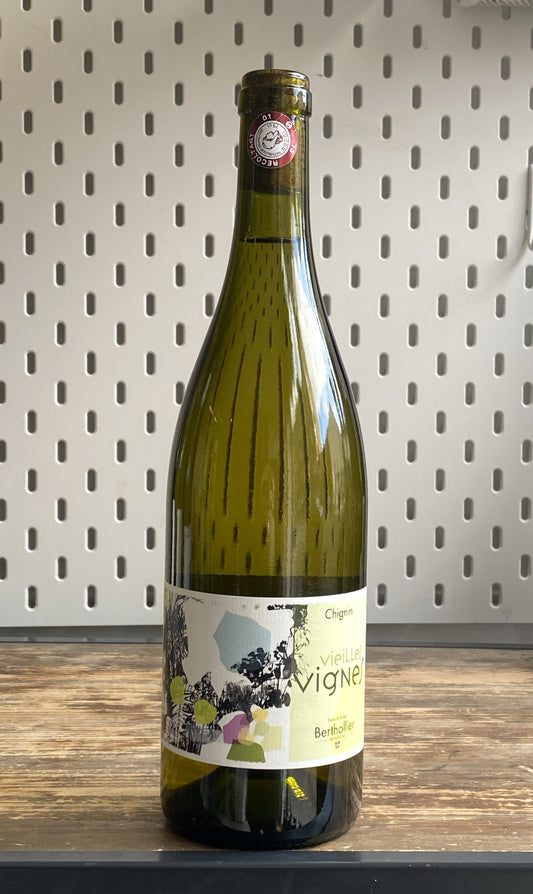
Collection: Alpine Wine

High-altitude wines from Austria, northern Italy, eastern France and Switzerland, shaped by mountain climates, mineral soils and cooler growing conditions. Alpine wines are prized for freshness, precision and drinkability, with styles ranging from crisp whites and skin-contact wines to lighter, elegant reds.

Alpine wine brings together high-altitude vineyards from regions across Austria, northern Italy, eastern France and Switzerland, where cooler climates and mountainous terrain produce wines with freshness, minerality and precision. Often shaped by steep slopes, limestone soils and dramatic day-night temperature shifts, Alpine wines tend to focus on acidity, texture and aromatic detail rather than heavy extraction or oak influence.

Grapes such as Grüner Veltliner, Jacquère, Mondeuse, Riesling and Blaufränkisch thrive in these cooler mountain conditions, producing wines with citrus freshness, herbal character, saline minerality and naturally vibrant acidity. The category spans both classic regional styles and modern low-intervention winemaking, with many growers working organically or biodynamically in difficult but highly expressive vineyard sites.

Our Alpine wine range focuses on vibrant whites, elegant reds and naturally expressive bottles chosen for balance and drinkability. Alongside crisp mountain whites and textured skin-contact wines, the selection also includes chillable reds, lower-intervention producers and wines that pair naturally with food and contemporary Alpine drinking culture.

Many Alpine wines remain relatively undiscovered compared to larger European wine regions, yet they often offer remarkable purity, energy and value. Whether you're looking for mineral-driven whites, lighter-bodied reds or fresh low-intervention wines with tension and structure, Alpine wine offers some of the most refreshing and food-friendly bottles in Europe.

Frequently Asked Questions

Frequently Asked Questions

What makes a wine “Alpine”?

Alpine wines come from high-altitude vineyard regions around the Alps, particularly in Austria, northern Italy, eastern France and Switzerland. Cooler mountain climates, steep vineyards and large day-night temperature swings help produce wines with freshness, minerality and bright acidity.

What do Alpine wines taste like?

Alpine wines are often fresh, mineral and food-friendly, with crisp acidity and lower alcohol than warmer climate wines. Expect citrus, orchard fruit, herbs, saline character and lighter-bodied reds with plenty of energy and freshness.

Which grapes are common in Alpine wine?

Common Alpine grape varieties include Grüner Veltliner, Riesling, Jacquère, Mondeuse, Blaufränkisch and Pinot Blanc, alongside local grapes from regions like Savoie, Alto Adige and Switzerland. Many Alpine regions also produce excellent Pinot Noir and skin-contact wines.

Are Alpine wines good with food?

Yes! Alpine wines are particularly food-friendly because of their freshness, acidity and moderate alcohol. They work especially well with cheese, seafood, cured meats, mountain cuisine and lighter seasonal dishes.

Are Alpine wines connected to natural wine?

Many modern Alpine producers work organically, biodynamically or with minimal intervention methods, particularly in regions like Austria, Savoie and Alto Adige. The freshness and lower-intervention style of Alpine wine has made it increasingly popular with natural wine drinkers.