Frequently Asked Questions
What is Austrian wine?
Austrian wine refers to wines produced in Austria, a country known for high-quality white wines, elegant reds and a strong focus on purity, freshness and regional expression.
What makes Austrian wine special?
Austrian wine is known for its strict quality standards (DAC system), clean winemaking style and emphasis on indigenous grape varieties that express terroir clearly and precisely.
What are the main Austrian wine regions?
The three main wine regions are Lower Austria (Niederösterreich), Burgenland and Styria (Steiermark), each producing distinct styles of wine.
What grapes are used in Austrian wine?
Key grapes include Grüner Veltliner, Riesling, Zweigelt and Blaufränkisch, alongside international varieties such as Chardonnay and Sauvignon Blanc.
What does Austrian wine taste like?
Austrian wines are typically fresh, precise and aromatic, with whites showing citrus, green apple and white pepper, and reds showing cherry, spice and elegant structure.
What is Grüner Veltliner?
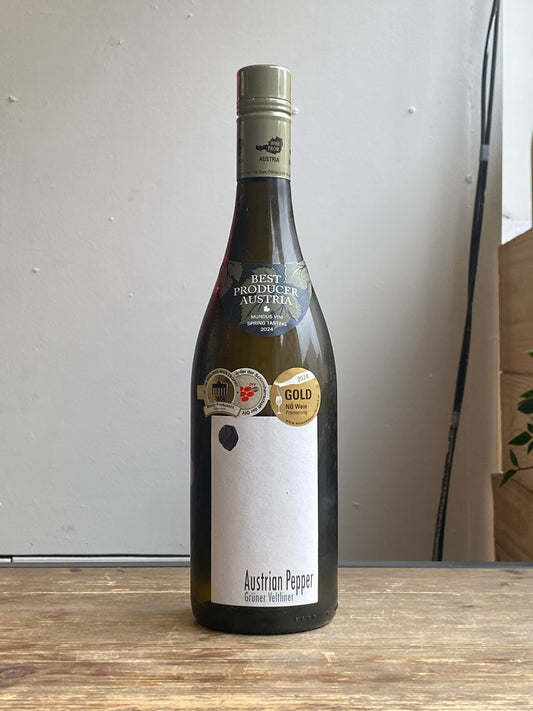
Grüner Veltliner is Austria’s signature white grape, known for its crisp acidity, citrus fruit and distinctive white pepper note, and it is the country’s most widely planted variety.
What is Blaufränkisch?
Blaufränkisch is Austria’s leading red grape, producing structured wines with dark berry fruit, spice and fresh acidity, often with strong ageing potential.
What is Zweigelt?
Zweigelt is Austria’s most widely planted red grape, known for juicy cherry fruit, soft tannins and an easy-drinking, fruit-forward style.
Are Austrian wines dry or sweet?
Most Austrian wines are dry, although some sweet styles exist, particularly in dessert wine regions influenced by botrytis.
Are Austrian wines good quality?
Yes. Austria is widely regarded as a premium wine-producing country, with strict regulations and a strong reputation for high-quality, terroir-driven wines.
What food pairs well with Austrian wine?
Austrian white wines pair well with schnitzel, fish and vegetables, while reds pair well with roast meats, game, sausages and hearty dishes.
Are Austrian wines age-worthy?
Yes. Many Austrian wines, especially Riesling and Blaufränkisch, can age very well, developing complexity and depth over time.