Frequently Asked Questions
What is Belgian beer?
Belgian beer refers to a wide range of beer styles produced in Belgium, known for their strong yeast character, diversity, and centuries-old brewing traditions including monastic and farmhouse brewing.
What makes Belgian beer special?
Belgian beer is defined by expressive yeast-driven flavours, traditional brewing methods, and an extremely wide variety of styles ranging from light wheat beers to strong, complex ales and sour wild-fermented beers.
What are the main types of Belgian beer?
Key styles include Trappist ales (Dubbel, Tripel, Quadrupel), Saison, Witbier (white beer), Lambic and Gueuze, along with Belgian blondes and strong dark ales.
What does Belgian beer taste like?
Flavours vary widely, but Belgian beers often show fruity esters, spicy phenols, malt richness, and in some cases tart or funky sourness from wild fermentation.
What is Trappist beer?
Trappist beer is brewed by or under the supervision of Trappist monks, often rich, strong and complex, with styles such as Dubbel, Tripel and Quadrupel.
What is Lambic beer?
Lambic is a spontaneously fermented Belgian beer made using wild yeast and bacteria from the environment, producing dry, tart and funky flavours.
What is Gueuze?
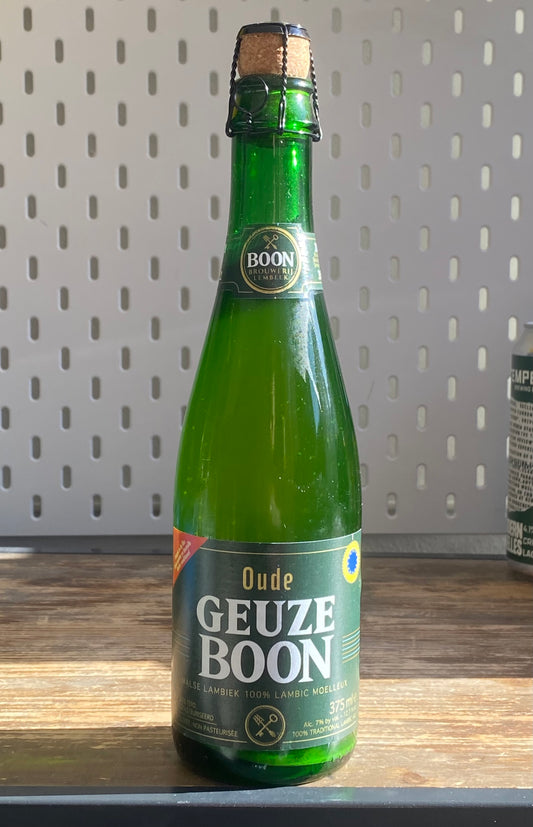
Gueuze is a blend of young and aged lambic that is bottle-fermented, creating a sparkling, complex sour beer often compared to Champagne.
What is Saison?
Saison is a dry, highly carbonated farmhouse ale with peppery, fruity yeast character and a refreshing finish, originally brewed in rural Belgium.
What is Witbier?
Witbier is a Belgian wheat beer brewed with coriander and orange peel, typically hazy, light and refreshing.
Are Belgian beers strong?
They range widely from light 4–5% wheat beers to strong ales exceeding 10% ABV, depending on the style.
Why do Belgian beers taste so different?
Belgian brewers use unique yeast strains and traditional fermentation methods that create complex fruit, spice and funk characteristics not common in many other beer cultures.
What food pairs well with Belgian beer?
Belgian beers pair well with a wide range of foods including seafood, cheese, roast meats, rich stews, fried foods and desserts depending on the style.

 Sold out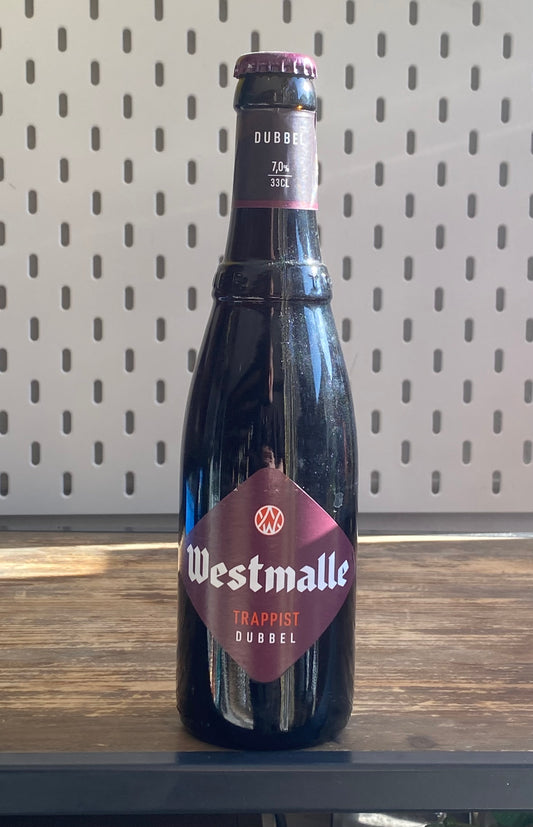
 Sold out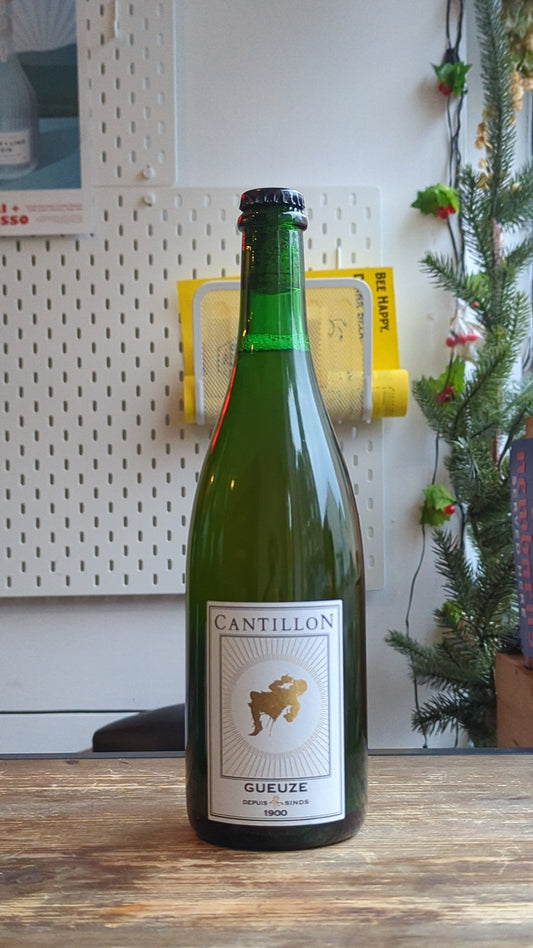

 Sold out