Skip to product information
1 of 1

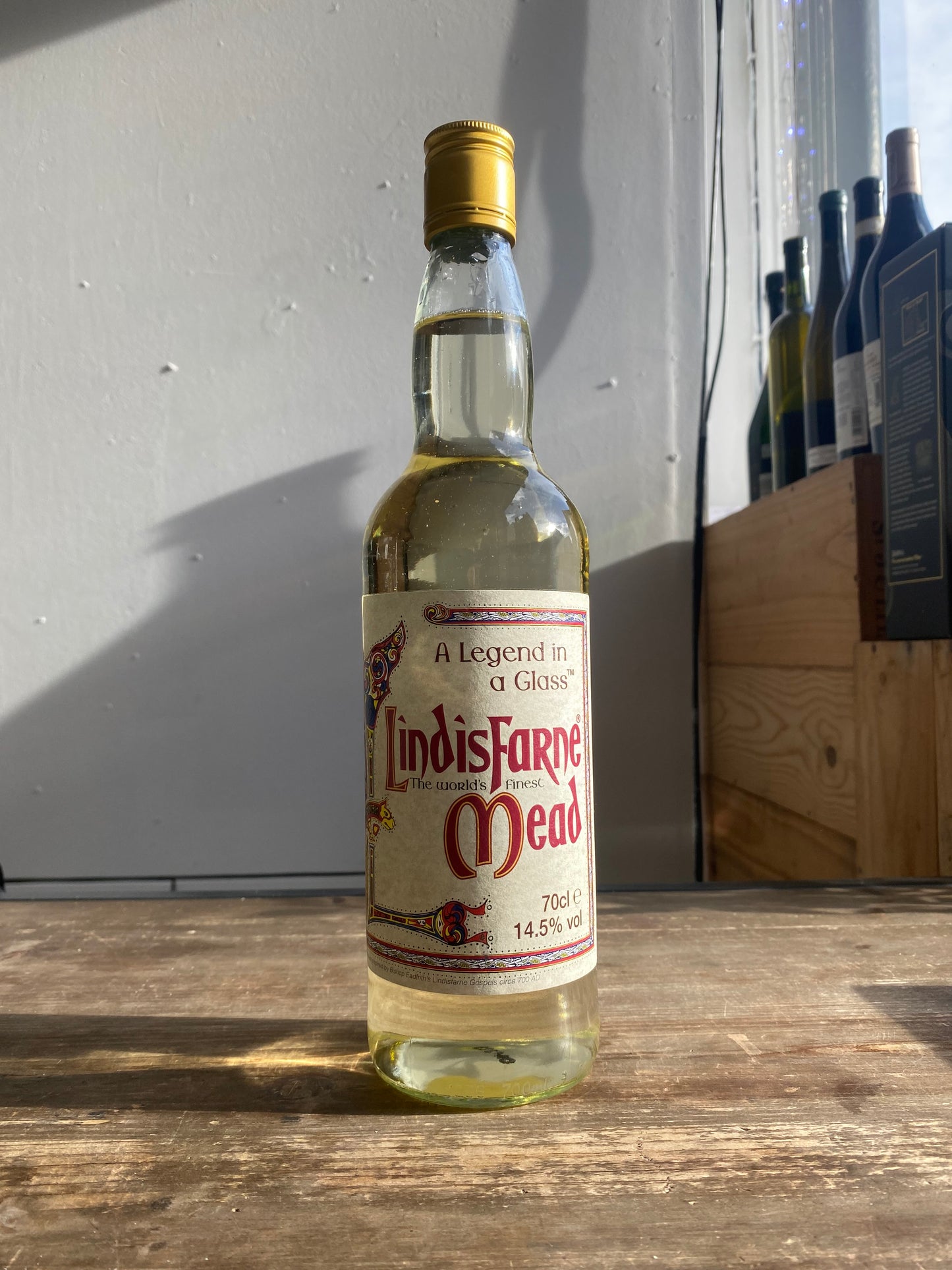
Lindisfarne Mead

Lindisfarne Mead

Regular price £15.00
Regular price Sale price £15.00
Sale Sold out
Tax included. Shipping calculated at checkout.
Producer Lindisfarne
Country England
Region Northumberland, Holy Island
ABV 14.50%

Tasting Notes

Honey, Orange Peel, Floral Herbs and Sweet Spice

Explore Further

Only 3 left

Edinburgh and UK Shipping

✓ Carefully packed by our team in Edinburgh

✓ Free local delivery in Edinburgh and
Falkirk for orders over £35

✓ Free UK delivery over £90

✓ Click & Collect available

✓ Shipping to Northern Ireland and Scottish Isles available on request: orders@thebeerhive.co.uk
View full details

More About Lindisfarne Mead

Lindisfarne is a tidal island just off the north coast of England. Historically, this holy island has produced mead for centuries, though the current recipe dates back to the early 20th century revival of production. Staying true to the Roman methods once used on the island, Lindisfarne Mead incorporates fermented grape juice into the mead. Additionally, a small amount of neutral spirit is added before bottling.

Meet the Producer, Lindisfarne

Lindisfarne

Style: Mead

Lindisfarne Mead feels like something that should be consumed either beside a fireplace or while planning a minor medieval invasion. It carries that sort of atmosphere.

Produced on Holy Island off the Northumberland coast, Lindisfarne Mead takes inspiration from the island’s monastic history, where monks are believed to have made mead centuries ago. Modern production began in the 1960s at St Aidan’s Winery, though the drink itself still leans heavily into that old-world identity.

Unlike some modern craft meads that taste aggressively of raw honey and ambition, Lindisfarne is softer and more approachable. Technically it sits somewhere between traditional mead and fortified wine, blending honey with fermented grape juice, herbs and spirit. The result is rich, sweet and warming without becoming completely exhausting after one glass.

Flavour-wise, expect honey, dried fruit, soft spice and a slightly herbal edge underneath the sweetness. It’s very much a winter drink for most people, though there’s also a strong argument for pouring it over ice at Christmas while pretending you’re outdoorsy enough to own a wax jacket.

Holy Island itself probably does half the marketing naturally. Tidal causeway, monastery ruins, sea air and centuries of religious history tends to create a fairly strong sense of place before you’ve even opened the bottle.