
Skip to product information
1 of 1

Meinklang

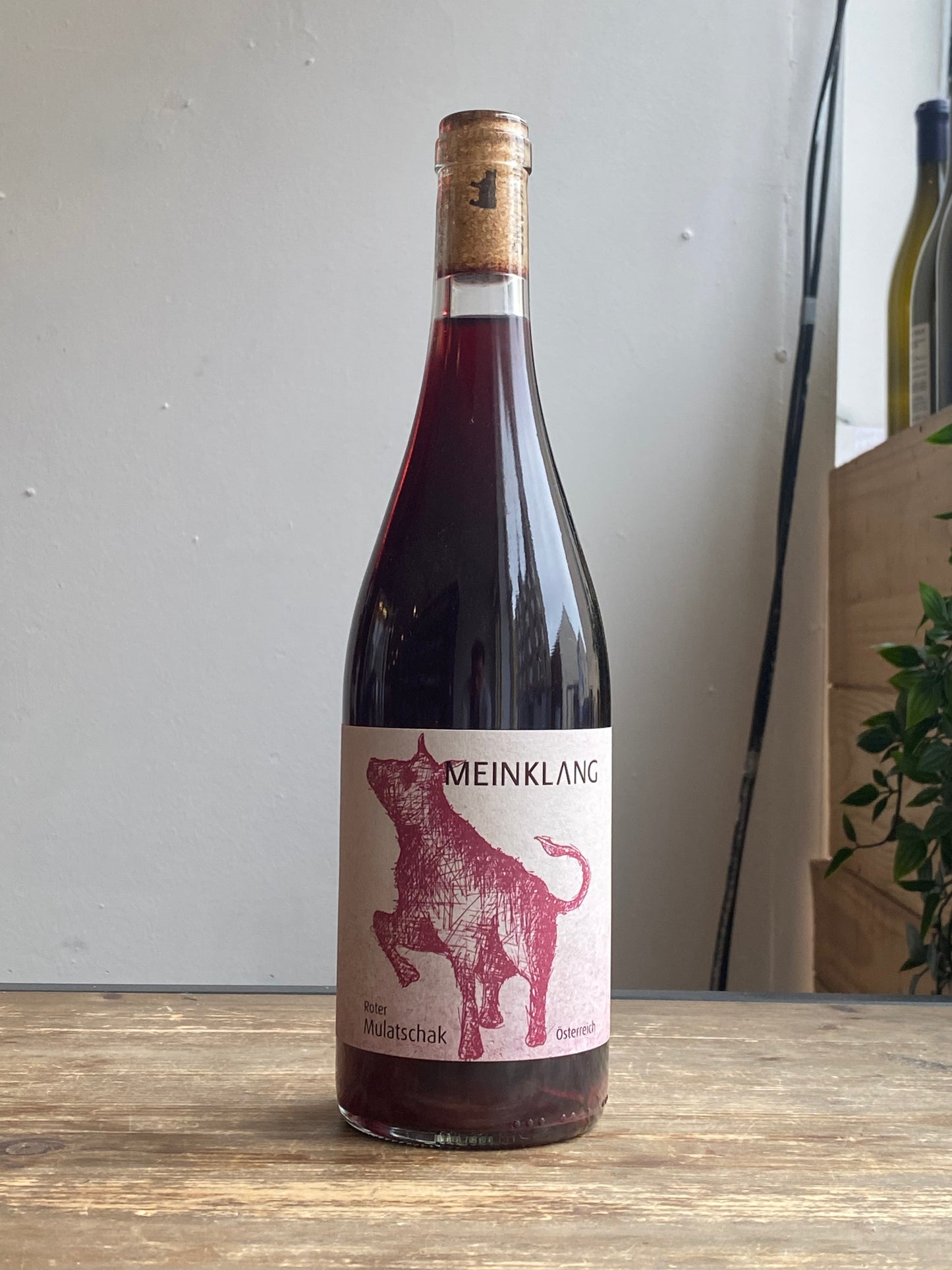
Meinklang Roter Mulatschak

Meinklang Roter Mulatschak

11%

Regular price £18.00
Regular price Sale price £18.00
Sale Sold out
Tax included. Shipping calculated at checkout.

Meinklang Roter Mulatschak is a distinctive red wine from Austria's Burgenland region, produced by the biodynamic winery Meinklang. This wine is a blend of 50% Zweigelt and 50% St. Laurent grapes, offering a unique profile. 

The 2022 vintage presents a vibrant ruby red color with aromas of ripe red fruits, such as cherries and raspberries, complemented by subtle earthy and herbal notes. On the palate, it is light-bodied with a slight effervescence, balanced acidity, and soft tannins, leading to a refreshing finish. 

This wine pairs excellently with a variety of dishes, including grilled meats, hearty stews, and aged cheeses, enhancing the dining experience with its harmonious flavors.

Don’t forget your corkscrew 🍷

Beerhive Waiter’s Friend

If you need more stock than we currently have, please contact: orders@thebeerhive.co.uk

Tasting Notes

Sour Cherry, Raspberry, Rosehip and White Pepper

Shipping & Returns

Delivery Days Monday- Wednesday- Friday

Order before 12 for same day delivery on these days

Order inside Edinburgh Bypass EH7 Free Delivery

Edinburgh minimum order £20

Free shipping for Courier Deliveries over £90 to UK Mainland
View full details

Meinklang

Style: Winery

Country: Austria

Region: Burgenland

Natural wine has produced plenty of chaos over the years. Meinklang are one of the producers proving low-intervention farming can also produce wines with precision, balance and actual drinkability attached.

Based in Burgenland near the Austrian-Hungarian border, Meinklang operate as a mixed biodynamic farm rather than simply a winery. Cattle, crops, vineyards and biodiversity all exist together as part of the same ecosystem, which sounds very romantic until you remember somebody still has to shovel things occasionally.

The wines themselves cover a huge range, from crisp Grüner Veltliner and aromatic whites through to skin-contact wines, pét-nats and juicy reds built around Blaufränkisch and Zweigelt. Despite the broad range, there’s usually a consistent thread of freshness and energy running through everything.

Burgenland’s warmer climate helps enormously here. Plenty of sunshine gives ripeness and texture, while cooler evenings preserve acidity and aromatic detail. Even the more experimental wines rarely feel sloppy or overly funky. There’s enough precision underneath the natural approach to keep things properly balanced.

Meinklang also helped make biodynamic wine feel less intimidating for a lot of drinkers. The wines remain approachable and joyful rather than feeling like homework. Which is probably how wine should operate most of the time anyway.