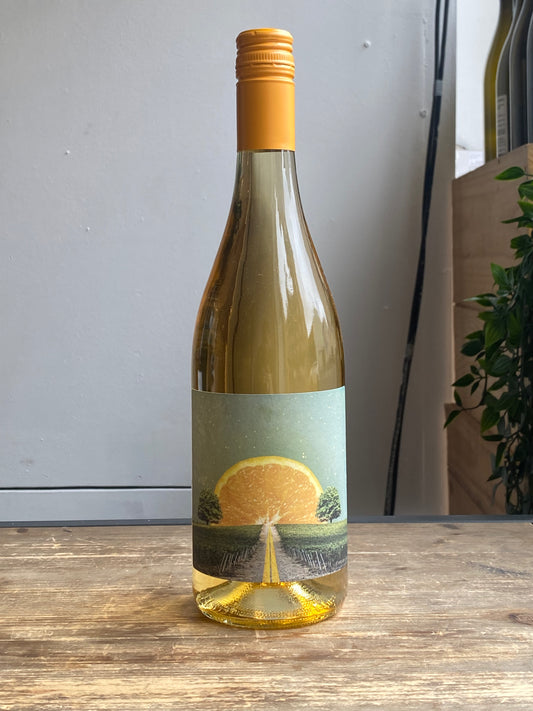
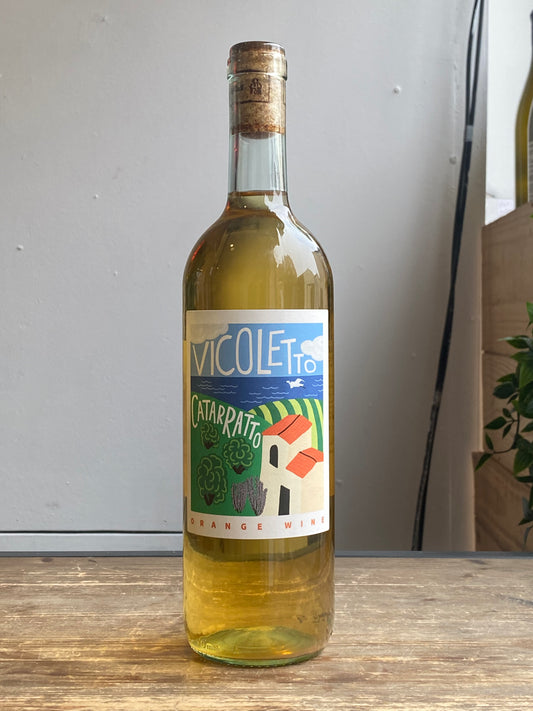
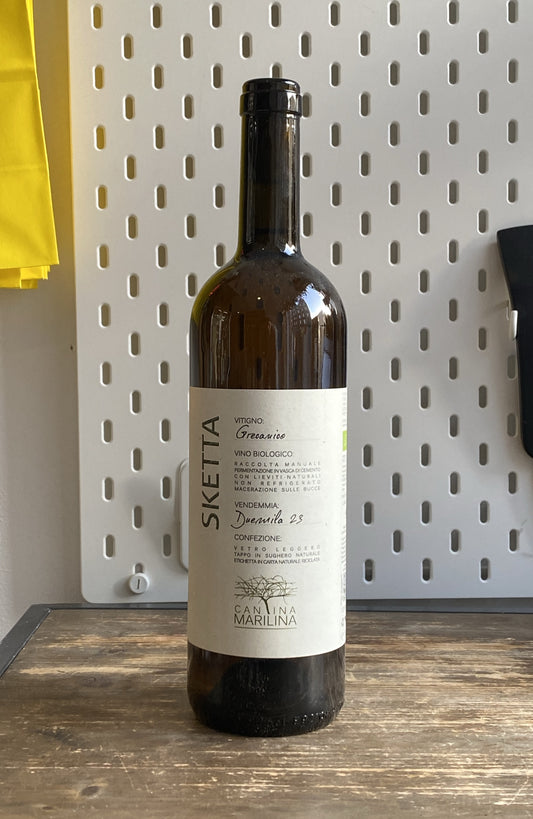
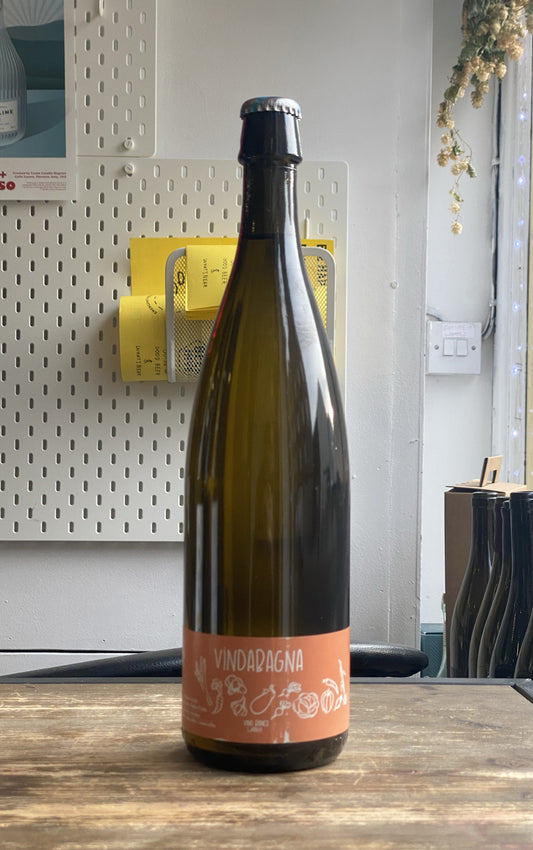
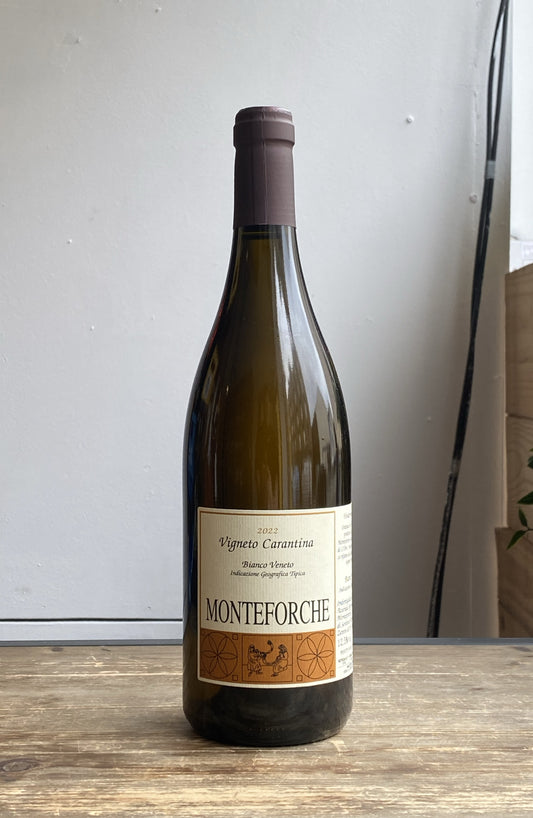
Orange wine, sometimes called skin-contact wine or amber wine, is made from white grapes fermented with their skins using techniques more commonly associated with red winemaking. Extended skin contact gives these wines their distinctive amber colour, tannic texture and savoury complexity, often combining the freshness of white wine with the structure and grip more typical of red wine.
Although the style has ancient roots in Georgia and Eastern Europe, orange wine has become closely linked to modern natural and minimal intervention winemaking across regions such as Italy, Slovenia, Austria and France. Many producers work with native yeast fermentation, minimal sulphur and traditional winemaking methods that emphasise texture, vineyard expression and individuality rather than polished uniformity.
Our orange wine range focuses on expressive low-intervention bottles with freshness, acidity and character, from lightly skin-contact whites to deeper and more structured amber wines. Expect flavours of citrus peel, dried stone fruit, tea, herbs, spice and savoury tannin alongside layered texture and vibrant acidity.
Alongside classic Georgian qvevri wines and Alpine skin-contact whites, the collection also includes fresher and more energetic modern interpretations from producers pushing orange wine in new directions while still remaining rooted in traditional techniques. Depending on grape variety and maceration length, styles can range from delicate and floral to deeply textured and oxidative.
Orange wine remains especially versatile at the table, pairing naturally with cheese, spice-led dishes, fermented foods and richer vegetable cooking. Whether you're exploring skin-contact wine for the first time or looking for more structured and cellar-worthy amber wines, this collection highlights some of the most exciting low-intervention wines being made today.