Skip to product information
1 of 1

Vinho Regional Alentejano

Vinho Regional Alentejano, Alabastro Tinto

Vinho Regional Alentejano, Alabastro Tinto

Regular price £12.00
Regular price Sale price £12.00
Sale Sold out
Tax included. Shipping calculated at checkout.

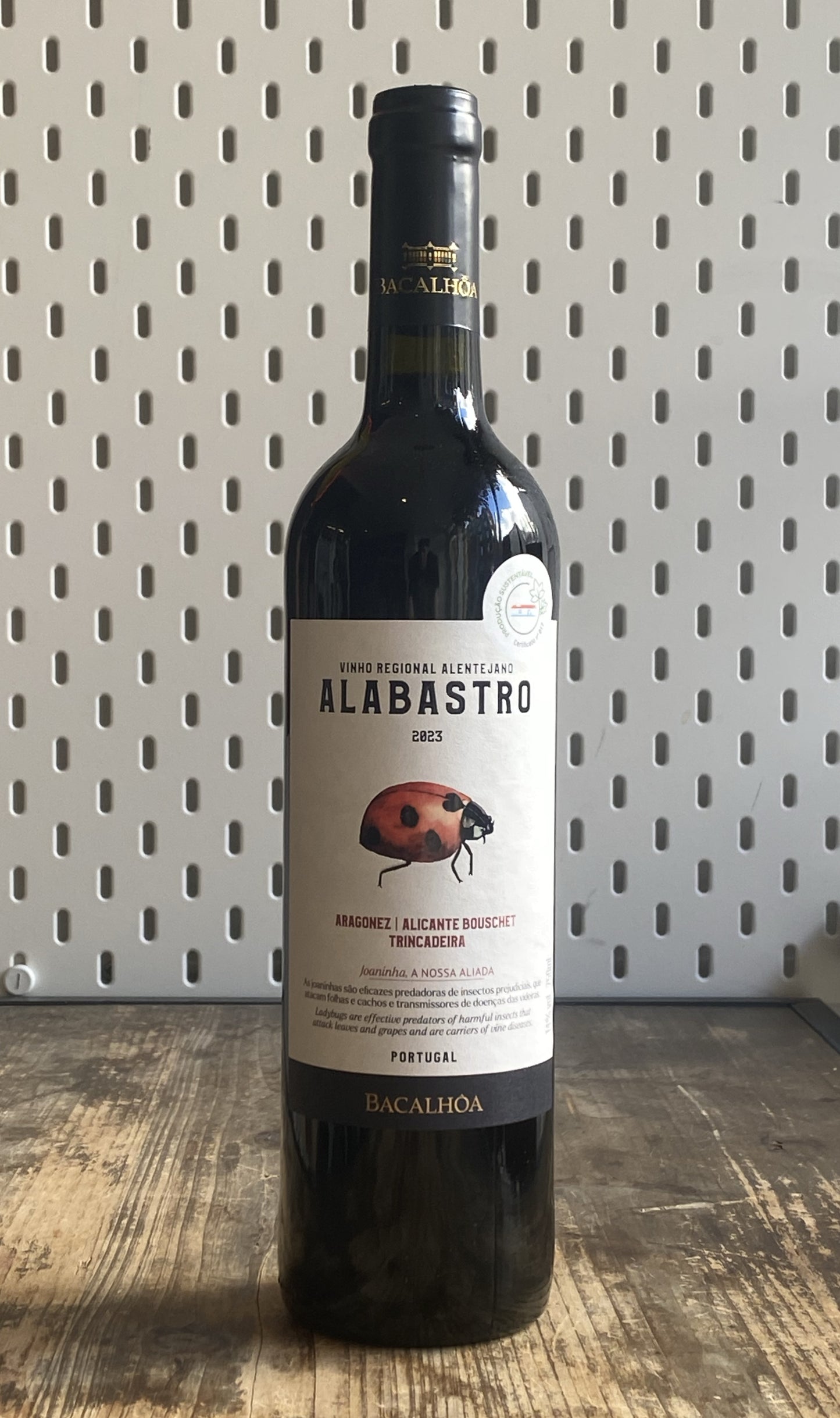
Alabastro Tinto is a generous, modern red from the Vinho Regional Alentejano zone in southern Portugal, produced by Bacalhôa/Vinhos Aliança from low-yielding, traditionally tended old vines on clay-rich soils. It’s a blend dominated by Aragonês (Aragonez) with Trincadeira and a splash of Alicante Bouschet, fermented in stainless steel with extended maceration to extract colour, ripe fruit and supple tannins, then matured briefly before bottling.

In the glass it shows deep ruby hues and lifted aromas of black fruits (blackcurrant, plum) with a spicy, earthy nuance.

Don’t forget your corkscrew 🍷

Beerhive Waiter’s Friend

If you need more stock than we currently have, please contact: orders@thebeerhive.co.uk

Shipping & Returns

Delivery Days Monday- Wednesday- Friday

Order before 12 for same day delivery on these days

Order inside Edinburgh Bypass EH7 Free Delivery

Edinburgh minimum order £20

Free shipping for Courier Deliveries over £90 to UK Mainland

View full details

Vinho Regional Alentejano

Style: Winery

Country: Portugal

Region: Alentejo

Alentejo produces wine on a scale that can make other Portuguese regions look slightly nervous, yet it still manages to retain a strong sense of identity. Vinho Regional Alentejano is the broad regional classification covering much of that landscape, stretching across rolling plains, cork forests and vineyards that seem to disappear towards the horizon.

The climate is warm, dry and distinctly southern. Long sunshine hours help produce ripe fruit, while modern vineyard management and higher-altitude sites increasingly bring freshness and balance into the picture as well.

Traditional Portuguese varieties remain central. Aragonez, Trincadeira, Alicante Bouschet and Touriga Nacional feature heavily in the reds, while Antão Vaz, Arinto and Roupeiro often lead the whites. The result is a range of styles, though generous fruit and approachable structure remain common themes.

The reds tend to show plum, blackberry, spice and soft tannins, while the whites often bring citrus, stone fruit and a rounded texture. Alentejo wines generally understand something important about drinkability. They rarely feel interested in making life difficult.

Portugal's wine scene has become increasingly confident about its indigenous grapes and regional traditions. Alentejo remains one of the clearest examples of how successful that approach can be.