Skip to product information
1 of 1

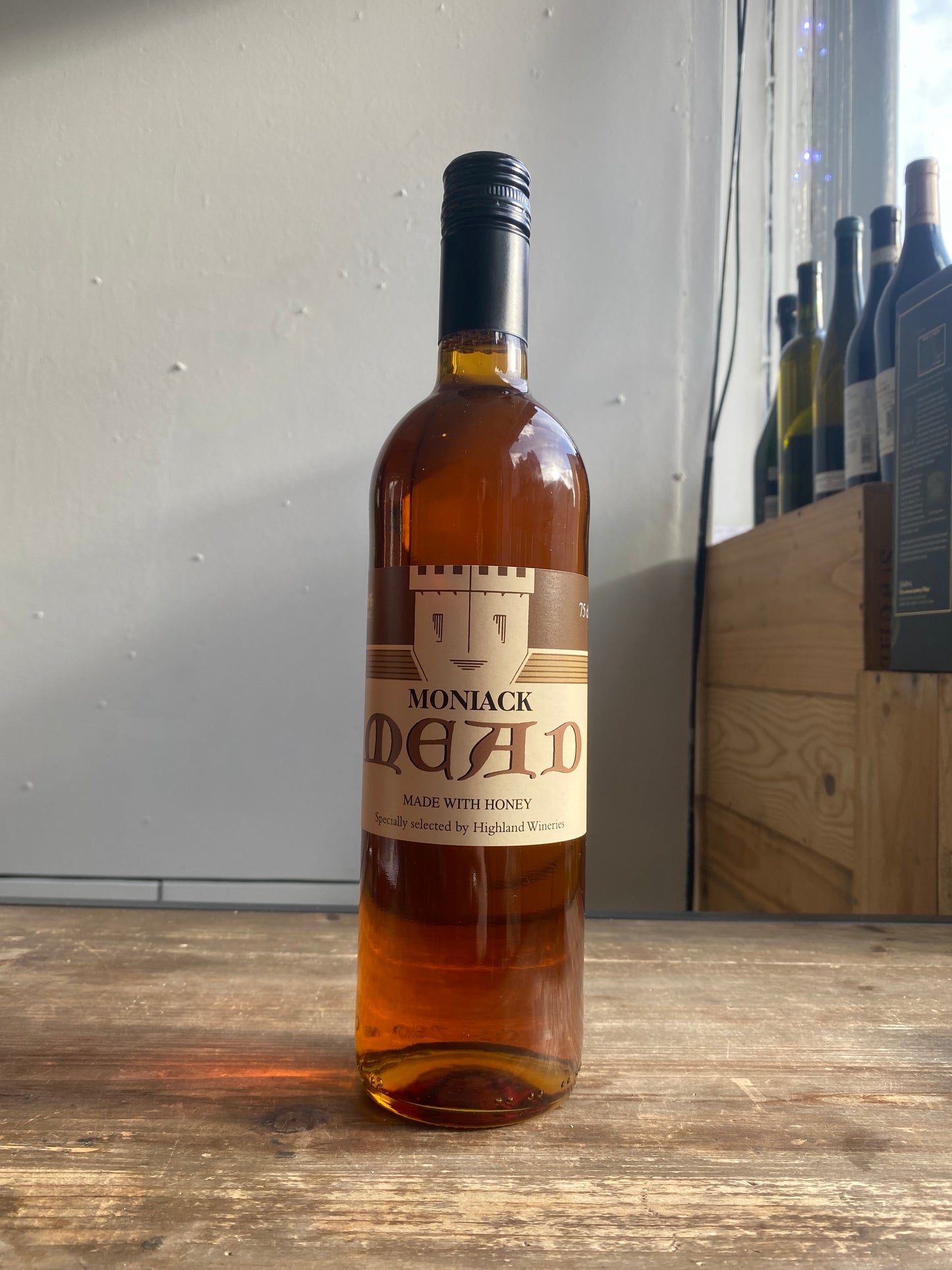
Moniack Mead

Moniack Mead

Regular price £23.00
Regular price Sale price £23.00
Sale Sold out
Tax included. Shipping calculated at checkout.
Producer Moniack
Country Scotland
Region Highlands
ABV 14.60%

Tasting Notes

Honey, Floral Notes, Citrus and Sweet Spice

Only 1 left

Edinburgh and UK Shipping

✓ Carefully packed by our team in Edinburgh

✓ Free local delivery in Edinburgh and
Falkirk for orders over £35

✓ Free UK delivery over £90

✓ Click & Collect available

✓ Shipping to Northern Ireland and Scottish Isles available on request: orders@thebeerhive.co.uk
View full details

More About Moniack Mead

A classic Scottish honey mead originally made at Moniack Castle near Inverness in the Highlands, now produced by Lyme Bay Winery. It’s one of the UK’s best-known traditional meads, built around fermented honey and a gently warming, dessert-like style.

In the glass it pours golden amber and opens with rich honey, caramel and soft floral aromas, sometimes with a faint citrus lift. The palate is smooth, medium-sweet and rounded, showing fermented honey richness, light spice and a mellow warmth rather than sharp acidity or carbonation.

Meet the Producer, Moniack

Moniack

Style: Mead

Scotland has a long history of fruit wines and mead-style drinks sitting quietly alongside whisky, usually appearing around Christmas or in gift shops attached to scenic castles. Moniack became one of the better-known names in that world for good reason.

Originally produced near Inverness at Moniack Castle, the range focused heavily on mead, fruit wines and fortified-style drinks built around honey, berries and spices. Highland Heather Mead became particularly well known, blending honey sweetness with herbal character in a way that feels distinctly old-fashioned and oddly comforting.

The drinks themselves tend to lean rich, warming and slightly nostalgic. Honey, dried fruit, spice and floral notes dominate most of the range, often with enough acidity underneath to stop things becoming completely overwhelming.

There’s also a strong connection to Highland tourism and traditional Scottish food culture running through the brand. These are the sort of bottles that make sense beside cheese boards, winter puddings and cold evenings rather than modern cocktail bars.

Not everything needs to be aggressively contemporary to remain enjoyable. Sometimes slightly eccentric honey wine from the Highlands is perfectly enough.