Frequently Asked Questions
What does “mineral driven” wine mean?
Mineral driven wines tend to feel fresh, saline, stony, chalky, smoky, or savoury rather than heavily fruity or oaky. The term is often associated with wines that show strong acidity and a sense of place.
What regions are known for mineral white wines?
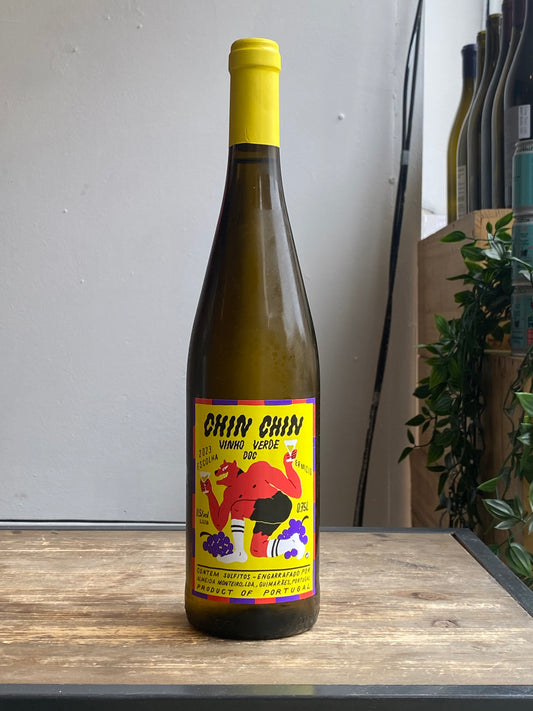
Classic regions include Chablis, Muscadet, Etna, the Loire Valley, Austria, Germany, Jura, and Vinho Verde.
Are mineral white wines dry?
Most mineral driven white wines are dry, though the styles can range from lean and sharp to richer and more textured.
What grapes make mineral white wines?
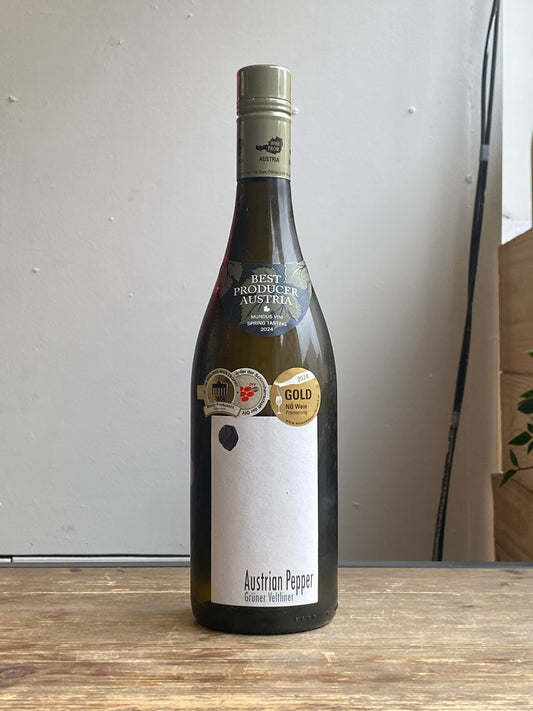
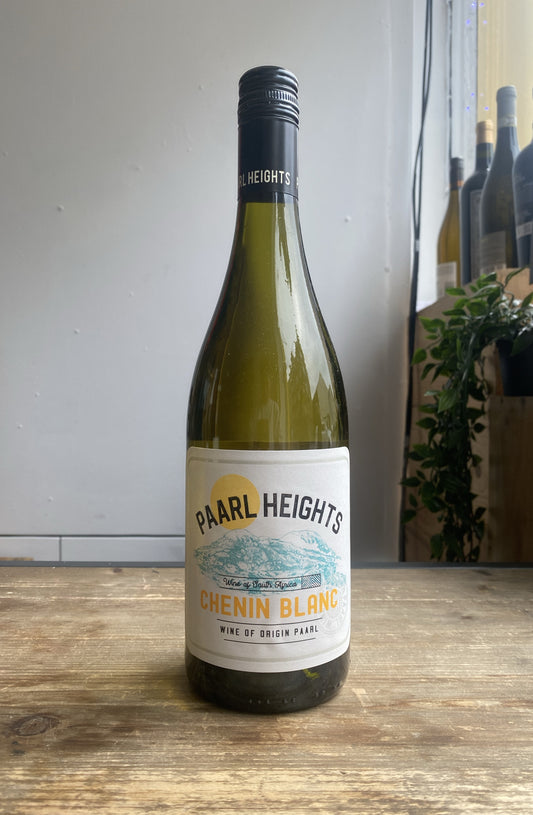
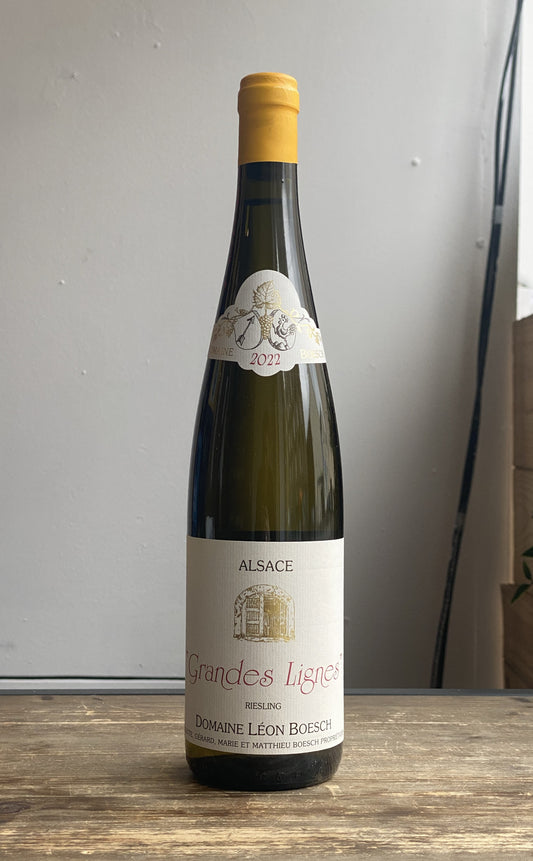
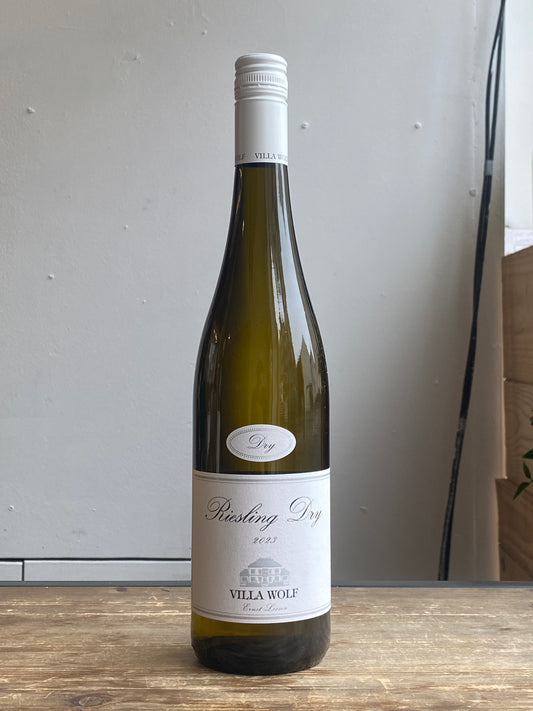
Many different grapes can produce mineral styles, including Chardonnay, Riesling, Melon de Bourgogne, Alvarinho, Carricante, Chenin Blanc, and Grüner Veltliner.
What food pairs with mineral white wine?
These wines work especially well with oysters, shellfish, seafood, fried food, fresh cheese, sushi, and lighter dishes with acidity or salt.
Why do some white wines taste salty or smoky?
Soil, climate, acidity, fermentation, lees ageing, and winemaking style can all contribute to saline, smoky, or stony characteristics in white wine.
Are mineral wines always acidic?
Usually, yes. High acidity is often part of what gives mineral white wines their freshness, structure, and drinkability.
What’s the difference between oaked and mineral white wines?
Oaked whites tend to feel richer, creamier, and more influenced by vanilla or spice, while mineral driven wines usually focus more on freshness, tension, acidity, and texture.
Are volcanic wines considered mineral?
Often, yes. Wines from volcanic regions like Etna can show smoky, saline, savoury, and stony characteristics that fit naturally into mineral-driven styles.
Why are mineral white wines so popular?
They’re refreshing, food-friendly, lower feeling in weight, and often incredibly drinkable while still having complexity and character.