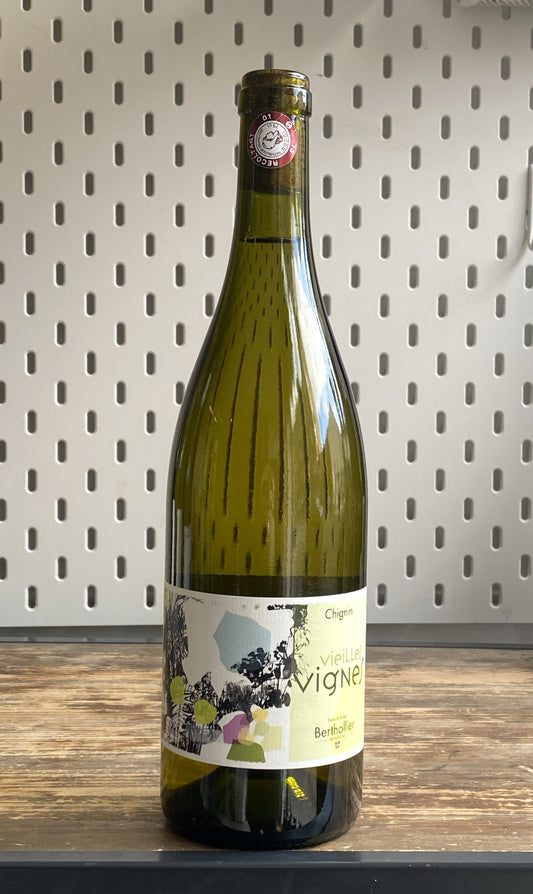
Collection: Mineral Driven Whites

These are the whites we end up reaching for constantly. Sharp, salty, stony wines with proper acidity and freshness rather than loads of fruit or oak.

A lot of them come from cooler coastal or alpine regions, places where the wines naturally lean citrusy, savoury, herbal, smoky, or saline rather than tropical. Think Muscadet, Chablis, Etna Bianco, alpine wine, Vinho Verde, dry Riesling, volcanic whites, and growers working with texture and tension instead of weight.

Minerality is one of those wine terms that gets overused constantly, but when these wines are done properly you know exactly what people mean by it.

Good mineral white wines feel sharp, tense, salty, smoky, chalky, or stony rather than heavily fruity or dominated by oak. They’re usually driven more by acidity, texture, and freshness than richness, which is probably why they work so well with food and why people who get into them tend to become slightly obsessed.

A lot of the styles in this collection come from cooler coastal, volcanic, or alpine regions where freshness happens naturally. Places like Chablis, Muscadet, Etna, the Loire, Austria, Vinho Verde, and parts of Germany all produce whites with that same clean, saline, high-acid structure, even if the grape varieties and winemaking styles are completely different.

That mineral edge can show up in lots of ways. Some wines feel citrusy and chalky, others more smoky, herbal, waxy, or almost savoury. Lees ageing, volcanic soils, skin contact, oxidative handling, and lower-intervention winemaking can all push texture and minerality further without making the wines feel heavy.

At The Beerhive we generally lean towards white wines with energy and tension rather than obvious fruit or oak influence. Bottles that feel fresh, precise, slightly wild, and easy to keep drinking. Wines for oysters, seafood, salty food, long lunches, or just opening something cold that doesn’t feel tiring after one glass.

There’s also a huge crossover between mineral white wine and other parts of modern drinking culture. If you like grower Champagne, alpine wine, dry cider, lambic, sake, vermouth, or clean mixed fermentation beer, there’s usually something familiar in these wines too. Acidity, salinity, texture, bitterness, and freshness all tend to overlap in the same way.

Frequently Asked Questions

Frequently Asked Questions

What does “mineral driven” wine mean?

Mineral driven wines tend to feel fresh, saline, stony, chalky, smoky, or savoury rather than heavily fruity or oaky. The term is often associated with wines that show strong acidity and a sense of place.

What regions are known for mineral white wines?

Classic regions include Chablis, Muscadet, Etna, the Loire Valley, Austria, Germany, Jura, and Vinho Verde.

Are mineral white wines dry?

Most mineral driven white wines are dry, though the styles can range from lean and sharp to richer and more textured.

What grapes make mineral white wines?

Many different grapes can produce mineral styles, including Chardonnay, Riesling, Melon de Bourgogne, Alvarinho, Carricante, Chenin Blanc, and Grüner Veltliner.

What food pairs with mineral white wine?

These wines work especially well with oysters, shellfish, seafood, fried food, fresh cheese, sushi, and lighter dishes with acidity or salt.

Why do some white wines taste salty or smoky?

Soil, climate, acidity, fermentation, lees ageing, and winemaking style can all contribute to saline, smoky, or stony characteristics in white wine.

Are mineral wines always acidic?

Usually, yes. High acidity is often part of what gives mineral white wines their freshness, structure, and drinkability.

What’s the difference between oaked and mineral white wines?

Oaked whites tend to feel richer, creamier, and more influenced by vanilla or spice, while mineral driven wines usually focus more on freshness, tension, acidity, and texture.

Are volcanic wines considered mineral?

Often, yes. Wines from volcanic regions like Etna can show smoky, saline, savoury, and stony characteristics that fit naturally into mineral-driven styles.

Why are mineral white wines so popular?

They’re refreshing, food-friendly, lower feeling in weight, and often incredibly drinkable while still having complexity and character.